
 admin
adminManaged Security Services Address Mobile Security Challenges
As mobile devices have become more affordable and portable, users and organizations have adopted them as primary computing devices. But these devices can be vulnerable to a broad range of threats. As a result, companies need to invest in managed security service provider to address the latest cyber threats and ensure that their mobile devices are secure.
managed security service provider (MSSPs) offer outsourced monitoring, detection and response capabilities that can supplement an enterprise’s own internal cybersecurity capabilities. These services can include firewall management, incident response and analysis of data to identify vulnerabilities. They also provide managed antivirus and antimalware services. They can also help with the implementation of security technologies and security strategies. MSSPs operate highly available security operation centers, reducing the amount of cybersecurity staff an enterprise needs to hire and maintain.
One of the most challenging aspects of mobile security is protecting against unauthorized access to sensitive information on employee-owned mobile devices. This requires the use of strong passwords and multi-factor authentication, as well as an avoidance of unsecure public Wi-Fi networks. Users can also expose their devices to cyber attacks by installing third-party apps from unauthorized sources and using weak or reused passwords. Additionally, insecure coding practices and poor password management can lead to application-centric security weaknesses.
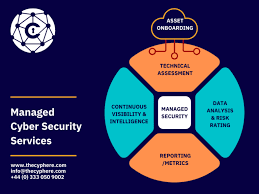
How Managed Security Services Address Mobile Security Challenges
The next challenge is addressing the proliferation of malicious apps that have been developed to target mobile devices. These threats can exploit device vulnerabilities, gain unauthorized access to the device’s resources, or transmit sensitive information over insecure connections. To mitigate these risks, companies need to deploy app sandboxing and other security measures such as device-level encryption. They also need to enforce secure coding best practices and regular security audits.
Another important threat is SMS-based attacks, where a malicious program masquerades as a legitimate application. This type of attack can be used to install malware, spy on a user’s behavior and even steal sensitive information. A robust MDM system can prevent such attacks by blocking file transfers to insecure locations and preventing the installation of applications that are not approved by the device owner.
A third important threat involves the theft or loss of mobile devices. In these cases, an MDM solution can remotely lock or wipe the data on a lost or stolen device to protect it from falling into the wrong hands. It can also prevent the transmission of confidential data over insecure connections.
Finally, there is a need to improve the quality of cybersecurity skills in the workforce. This is a major challenge, as the global shortage of cybersecurity workers continues to grow. An MSSP can help to address this issue by providing turnkey solutions for rapid deployment of detection and prevention tools on mobile devices and across organizational networks. This approach can be more effective than relying on in-house employees to monitor and respond to incidents. It can also be more cost effective than hiring and operating a full-time security team. An MSSP can deliver its services either through a high-availability security operations center or via a service brokerage model.
