
 admin
admin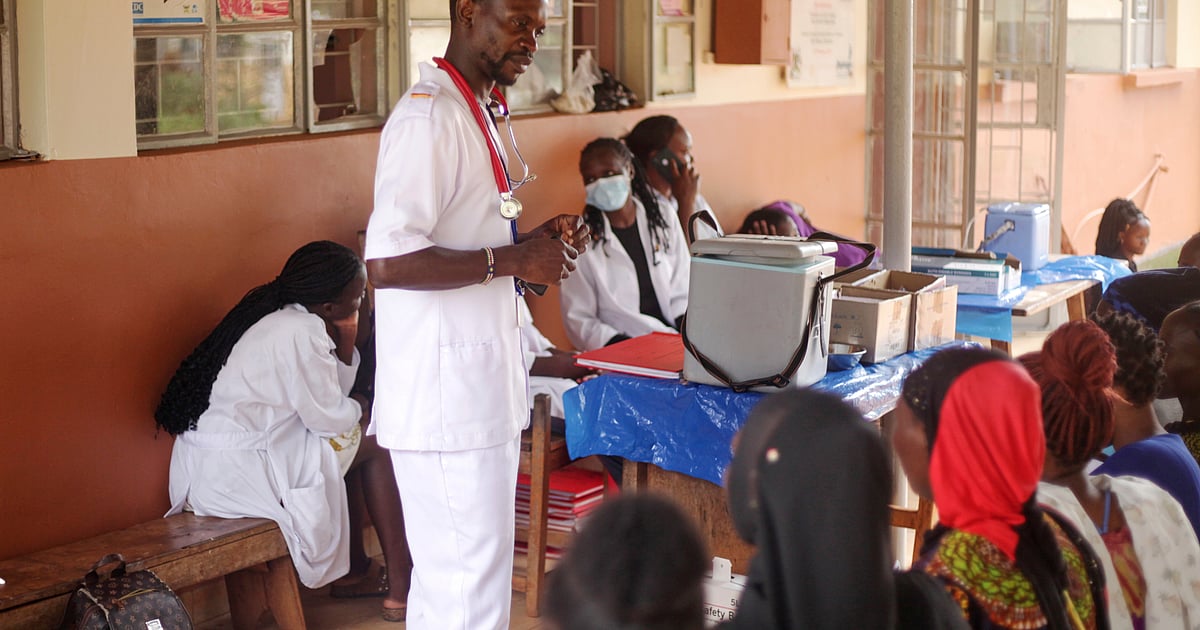
In Uganda, an east African country of 45 million people, there were 12.6 million malaria cases and nearly 16,000 deaths in 2023. Many were children younger than 5 and pregnant women, according to WHO.
Nigeria, Congo and Uganda — in that order — are the African countries most burdened by malaria, a parasitic disease transmitted to humans through the bites of infected mosquitoes that thrive and breed in stagnant water.
The drug approved by Swiss authorities, known as Coartem Baby in some countries and Riamet Baby in others, is a combination of two antimalarials. It is a lower dose version of a tablet previously approved for other age groups, including for older children. Before Coartem Baby, antimalarial drugs designed for older children were administered to small infants with careful adjustments to avoid overdose or toxicity.
Ugandan authorities, who have been working to update clinical guidelines for treating malaria, say the new drug will be rolled out as soon as possible. It is not yet available in public hospitals.
The development of Coartem Baby has given hope to many, with local health workers and others saying the medicine will save the lives of many infants.
Ronald Serufusa, the top malaria official for the district of Wakiso, which shares a border with the Ugandan capital of Kampala, said he believes Coartem Baby will be available “very, very soon” and that one priority is sensitizing the people adhering to treatment.
Some private pharmacies already have access to Coartem Baby, “flavored with orange or mango” to make it palatable for infants, he said.
During the so-called malaria season, which coincides with rainy periods twice a year, long lines of sick patients grow outside government-run health centers across Uganda. Many are often women with babies strapped to their backs.
Health workers now are trained to understand that “malaria can be implicated among newborns,” even when other dangerous conditions like sepsis are present, Serufusa said.
“If they don’t expand their investigations to also suspect malaria, then it goes unnoticed,” he said, speaking of health workers treating babies.
The Malaria Consortium, a global nonprofit based in London, in a statement described the approval of Coartem Baby as “a major leap forward for saving the lives of young children in countries affected by malaria.”
In addition to Uganda, the drug will be rolled out in Burkina Faso, Côte d’Ivoire, Kenya, Malawi, Mozambique, Nigeria, and Tanzania, the group said.
Jane Nabakooza, a pediatrician with Uganda’s malaria control program, said she expects the government will make Coartem Baby available to patients free of charge, even after losing funding when the U.S. shrank its foreign aid program earlier this year.
Some malaria funding from outside sources, including the Global Fund to Fight AIDS, Malaria and Tuberculosis, remains available for programs such as indoor spraying to kill mosquitoes that spread the malaria-causing parasite.
Because of funding shortages, “we are focusing on those that are actually prone to severe forms of malaria and malaria deaths, and these are children under 5 years,” she said.