
 admin
admin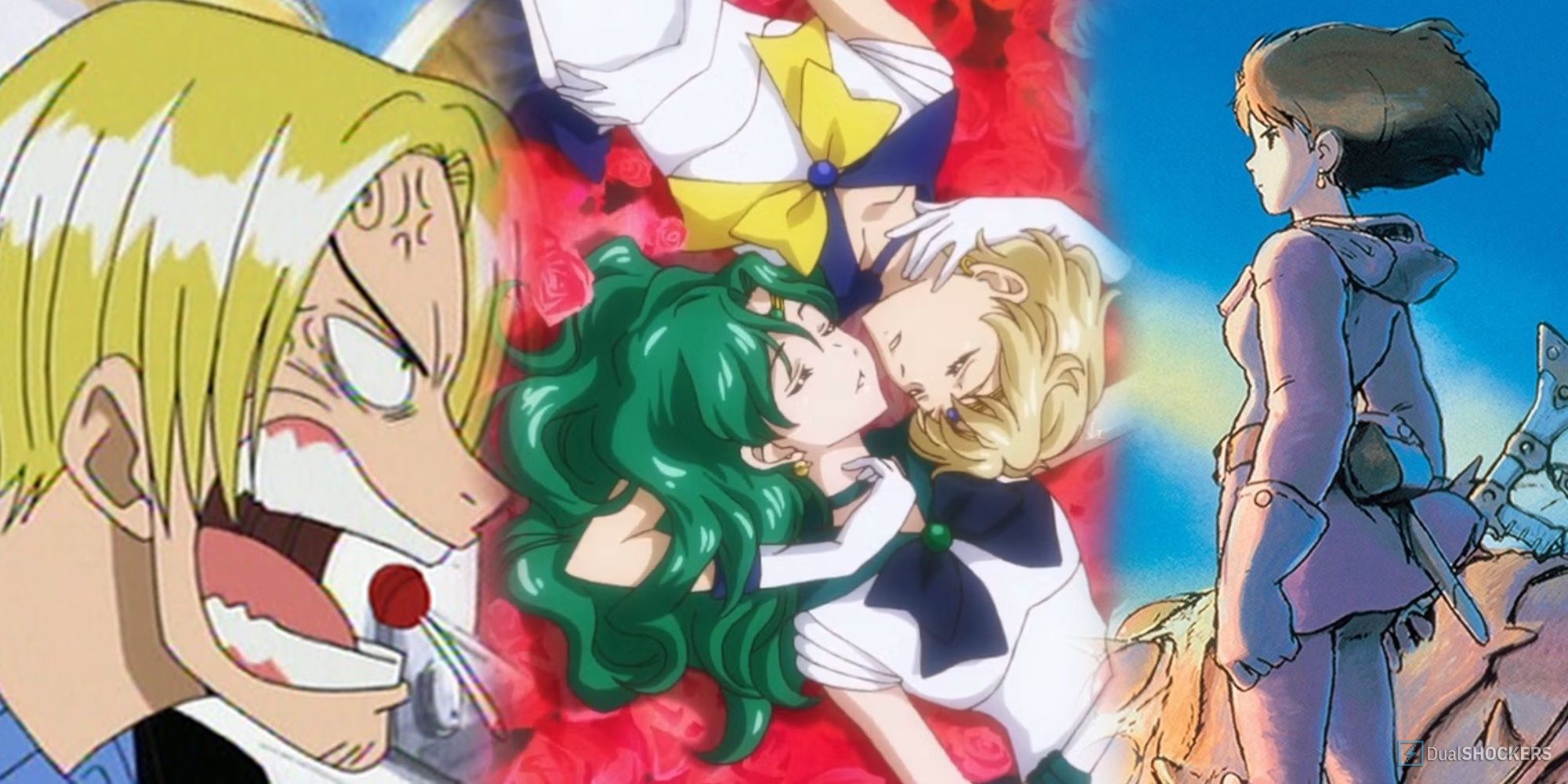
Highlights
- English dubs of anime often undergo significant alterations, including changes to dialogue, censorship, and even storyline overhauls.
- These changes can diverge from the original artistic vision, sparking controversy among fans and creators.
- Alterations in English dubs aim to cater to Western audiences but can result in a loss of cultural adaptation and artistic integrity.
English dubs of anime have undergone significant alterations, sparking mixed reactions from fans and original creators alike. From subtle modifications in dialogue to the outright omission of entire episodes and, in some extreme cases, a complete overhaul of the storyline, these changes have stirred controversy within the anime community.
10 Best Japanese Voice Actors In Anime
From Yuki Kaiji to Koichu Yamadera, here are some of the most popular Japanese voice actors the anime industry has given us.
While the intention behind these adjustments is often to cater to Western audiences, the outcomes have frequently diverged from the original artistic vision. This article delves into the notable transformations seen in English dubs, shedding light on the impact they have had on the viewer’s experience and the complex dynamics between cultural adaptation and artistic integrity.
10 Crayon Shin-chan
Censorship Issues And Difficulties Translating Humor

Crayon Shin-Chan
- Release Date
- April 13, 1992
- Main Genre
- Anime
- Studio
- Shin-Ei Animation
Biggest Changes:
- The anime went through three different dubs, some directed for kids and others for adults.
- Important social issues were replaced with dark and dirty humor.
Crayon Shin-chan, a beloved anime for many, has seen three distinct dub versions, each aiming to tailor the content for Western audiences. Adapting the original, which includes some mildly vulgar humor, proved challenging, leading to variations in the approach to dark and dirty jokes in the English dubs.
The translation process faced difficulties, evident in the diverse adaptations. Beyond altering dialogues, substantial censorship has occurred, ranging from the removal of clips to the exclusion of entire episodes due to perceived inappropriateness. This multiplicity of dubs reflects the ongoing effort to strike a balance between cultural adaptation and preserving the essence of the series for diverse viewerships.
9 Ghost Stories
Complete Change Of Plot And Dialogues

Ghost Stories
- Release Date
- October 22, 2000
- Seasons
- 1
- Story By
- Tōru Tsunemitsu
Biggest Changes:
- The voice actors improvised their dialogues, completely changing the originals.
- The original plot about ghosts changed into an adult humor series.
Ghost Stories, an anime with a unique English dub, underwent notable changes, diverging significantly from its original script. Recognizing the challenges of translating cultural nuances and humor, the English adaptation took a bold and unconventional approach. The original Japanese version, having struggled with a lukewarm reception, provided an opportunity for the English dub to infuse humor by injecting irreverent, witty, and often politically incorrect dialogue.
This departure from the norm transformed Ghost Stories into a cult classic, celebrated for its humorous and unorthodox interpretation. The English dub of the show deviates significantly from the source material, which can be interpreted as either creative freedom or simply the voice actors enjoying themselves. The English version offers a one-of-a-kind viewing experience perfect for those who enjoy chaotic humor.
8 Cardcaptor Sakura
Shoujo Anime Turned Into Shonen

Cardcaptor Sakura
- Release Date
- April 7, 1998
- Seasons
- 3
- Studio
- Madhouse
Biggest Changes:
- An anime made for girls was changed to also appeal to boys.
- LGBTQIA+ relationships and overall romance were removed.
Cardcaptor Sakura underwent a significant alteration in its English adaptation, marked by an attempt to broaden the target audience. Originally a shoujo anime tailored for young girls, the dub aimed to make it appealing to young boys. This pivotal and criticized change involved the removal of all romantic elements.

10 Best Magical Girl Anime
If you’re looking for a Magical Girl Anime fix, look no further.
Entire episodes were omitted, leading to a substantial impact on the storyline and relationship dynamics. The attempt to cater to a different demographic resulted in a notable deviation from the original intent. Moreover, alterations to queer relationships were made, with such dynamics being entirely erased. These modifications sparked controversy, igniting debates on whether altering target audiences and focusing on action is truly in line with the interests of young viewers.
7 Dragon Ball Z
Censorship Inconsistencies
Dragon Ball Z
- Release Date
- April 26, 1989
- Seasons
- 9 seasons
- Studio
- Toei Animation
Biggest Changes:
- Censorship: deleting scenes, removing alcohol and cigarette references.
- Battles losing their intensity due to removal of blood and injuries.
Dragon Ball Z faced significant challenges in its English adaptation, primarily stemming from censorship issues. While the removal of smoking and alcohol aimed to make the series kid-friendly, inconsistencies arose on multiple occasions; characters would be drinking from empty glasses in one scene, and the next would be what appeared to be beer.
The action sequences underwent significant alterations, which led to a reduction in the intensity of battles as injuries and wounds were removed. Furthermore, the use of terms such as Hell and Satan was avoided, resulting in the creative renaming of Hell as the Home for Infinite Losers. The English version has undergone numerous changes, and as a result, viewers may discover quite a few scenes missing from the original Japanese version.
6 Smile PreCure!
Many Episodes Were Removed And The Anime Was Renamed To Glitter Force

Smile PreCure!
- Release Date
- February 5, 2012
- Main Genre
- Anime
- Studio
- Toei Animation
- Seasons
- 1
Biggest Changes:
- The girls’ names and even the title of the anime were all changed.
- Multiple episodes were deleted as they handled themes that were too mature.
The Western adaptation of Smile Precure, renamed Glitter Force, failed to meet fans’ expectations. The changes in both the anime’s title and heroine names were not the only issues, as the anime’s mature themes were censored in the English version. Fans were unhappy with the omission of Lily’s father’s disappearance and Miyuki’s grandmother’s desire to remain in the countryside.
Furthermore, entire episodes centered around Japanese culture, such as summer and cultural festivals, were removed, leading to a significant gap between the original and adapted versions. The changes were met with discontent among fans, who had expected a more faithful adaptation.
5 Nausicaä Of The Valley Of The Wind
The Whole Plot Was Changed

Nausicaa of the Valley of the Wind
- Release Date
- March 11, 1984
- Director
- Hayao Miyazaki
- Runtime
- 117 minutes
- Distributor(s)
- Netflix
Biggest Changes:
- Scenes focusing on environmental themes were removed.
- Asbel was made into the protagonist, overshadowing Nausicaä.
Nausicaä of the Valley of the Wind underwent a notorious adaptation when it was renamed Warriors of the Wind for the American audience. The extent of changes in dialogue and plot was so much that Miyazaki himself sent a real katana to the television company responsible, issuing a stern warning against future alterations to his movies.

Studio Ghibli: 10 Underrated Characters, Ranked
Dive into Studio Ghibli’s world to uncover underrated characters like Dola, Zeniba, and Turnip-Head.
Numerous scenes were deleted, shortening the movie by 20 minutes, justified by deeming them slow or boring for children. The plot underwent substantial changes, and the dialogues were almost entirely rewritten. The original film placed significant emphasis on environmental themes, which, unfortunately, were the first to be omitted in the dubbed version. Additionally, there was an attempt to shift the focus onto Asbel as the protagonist, fueled by concerns that a female lead would be less marketable.
4 One Piece
Heavy Censorship

One Piece
- Release Date
- October 20, 1999
- Seasons
- 20 seasons (ongoing)
- Studio
- Toei Animation
Biggest Changes:
- Censorship of alcohol, blood, smoking, and any violence.
- Entire arcs, from Buggy’s crew adventures to the Goat Island arc, were skipped.
One Piece, one of the highest-grossing anime of all time, has faced its share of adaptation challenges in the English dub. The most notable aspect is the infamous 4Kids adaptation, notorious for its heavy censorship and alterations. Entire arcs were skipped, and character names, attacks, and even foods were changed to appeal to a perceived Western audience. This approach, however, sparked widespread criticism as it deviated significantly from the original intent.
When 4Kids ceased dubbing the anime, it left viewers on a particularly dark note. The last episode they dubbed made it seem as if the Straw Hat Pirates met a grim end, creating a misleading conclusion. Later English dubs aimed for a more faithful adaptation, yet the 4Kids version remains a point of discussion among fans, highlighting the challenges of bringing a complex and long-running series like One Piece to a Western audience.
3 Pokémon
Love It Or Hate It Adaptation To Western Audience

Pokemon
- Release Date
- February 27, 1996
- Seasons
- 25
- Studio
- OLM
- Main Genre
- Anime
Biggest Changes:
- The original serious tone changed to a more light-hearted one.
- Omission of references to Japanese culture.
Pokemon’s dubbed version stands at the forefront of the eternal Sub vs Dub debate, a polarization where opinions sway between love and hate. Where the dubbed version succeeded were the complete transformations of the intros and outros, yielding some of the most memorable anime songs. It also did a great job of making the anime more kid-friendly by adding quirky humor.
However, numerous episodes faced censorship, with edits or removals due to sexual innuendos or the presence of alcohol, guns, or smoking. Once again, any references to Japanese culture underwent changes, giving us the iconic instance of Brock referring to a rice ball as a jelly sandwich. If you want to watch a more serious and drama-oriented version of Pokemon, check out the original.
2 Yu-Gi-Oh!
Creation Of The Shadow Realm

Yu-Gi-Oh! Duel Monsters
- Release Date
- April 18, 2000
- Main Genre
- Anime
- Seasons
- 5
- Studio
- Gallop
- Franchise
- Yu-Gi-Oh!
Biggest Changes:
- Players did not die; instead, they were trapped in a Shadow Realm.
- Censorship.
Yu-Gi-Oh!, known for its original darker tone, took a significant turn in its English adaptation. The intense and sometimes gruesome deaths depicted in the Japanese version, including being burned alive or dragged to hell, were completely removed in the English dub. Instead, the concept of the Shadow Realm was introduced. Instead of dying, characters would be transported and trapped in a mystical realm. This alteration significantly altered the anime’s seriousness, particularly as the original narrative involved players risking their lives in battles.
And once again, scenes featuring guns, alcohol, blood, and violence were omitted or edited. For some reason, Yugi’s mom was also something that did not make it into the dubbed version. Additionally, efforts to translate and edit Japanese cards into English led to inconsistencies, occasionally resulting in players having cards that originally belonged to others. Nowadays, the English version of Yu-Gi-Oh! has become a cult classic of horribly dubbed anime.
1 Sailor Moon
Censorship Of LGBTQIA+ Relationships
Sailor Moon
- Release Date
- March 7, 1992
- Seasons
- 1
- Distributor
- Viz Media
Biggest Changes:
- Censorship issues lead to the deletion or editing of multiple scenes.
- Sailor Uranus and Sailor Neptune, from lovers to cousins.
Sailor Moon, the beloved 90s anime, underwent notable changes in its English adaptation. Character names were changed, with Sailor Moon herself having multiple names like Usagi, Serena, or Bunny, reflecting the challenges of cultural translation. References to Japanese culture were often omitted or removed, aligning the series more closely with Western sensibilities. Due to being marketed as a children’s show, any instances of nudity and violence were censored, even impacting transformation sequences and character deaths.
Notably, the English dub took a conservative approach to handling queer relationships, editing or deleting scenes that depicted them. One of the most significant changes was the portrayal of the relationship between Sailor Uranus and Sailor Neptune, which was altered to downplay its romantic nature. The popular couple’s relationship changed into that of cousins, creating many questionable scenes.
This departure from the original content sparked frustration among fans, highlighting the ongoing challenges of adapting complex themes, including queer relationships, in magical girl anime for a broader, international audience. Despite these changes, Sailor Moon remains a cultural phenomenon with a lasting impact on fans globally.

12 Best Isekai Anime With Non-Human Main Characters
From Overlord to Re: Monster, here are some of the best Isekai anime series that feature non-human main characters.
