
 admin
Rigid flex Printed Circuit Boards on Electronic Waste
Rigid flex printed circuit boards (PCBs) are the underlying structures that power virtually all electronic devices. These highly versatile PCBs deliver a wide array of features that enhance device reliability and performance, from power delivery to signal processing. They are used in a range of applications, from medical equipment to military technology and beyond.
Technological advancements such as 5G connectivity, Internet-of-Things proliferation, and artificial intelligence integration are expected to fuel demand for sophisticated electronics that require rigid-flex PCBs. The flexible nature of these interconnect systems enables compact and lightweight design strategies that reduce the overall product footprint and weight.
In addition, rigid-flex printed circuit board allow for more flexible manufacturing processes that improve yield rates and enable shorter lead times. These improvements are expected to further reduce e-waste volumes and improve the speed of recycling processes.
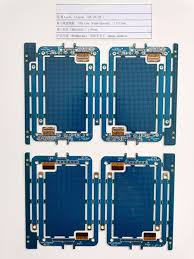
The Impact of Rigid flex Printed Circuit Boards on Electronic Waste
The use of rigid-flex PCBs has also helped to minimize environmental risks by eliminating the need for hazardous chemicals and other toxic substances in device assembly and production processes. These eco-friendly technologies align with broader initiatives that promote ecological responsibility and foster sustainable practices within the manufacturing sector.
Despite their significant impact on device performance, rigid-flex PCBs present several challenges that must be overcome to maximize their benefits. This includes ensuring that the flex areas can withstand repeated bending and folding while maintaining electrical performance. This requires a high level of design precision and close collaboration between engineers and the manufacturing team.
Additionally, rigid-flex PCBs must be tested to verify that they are up to scratch in challenging environmental conditions such as temperature variations and moisture ingress. This testing helps to ensure that these durable products continue to operate reliably throughout their service life. The rigorous reliability engineering practices that are often applied to rigid-flex PCBs help to extend the functional lifespan of these devices, resulting in substantial cost savings over their operational lifetimes.
In addition, the recyclability of rigid-flex PCBs is a major factor in reducing e-waste. Achieving this requires the use of environmentally friendly materials and the development of manufacturing methods that can support recyclability of these flexible circuit boards. This is a major step in the right direction for the industry, but there is still much more work to be done.
Rigid-flex PCBs offer a wide range of benefits that contribute to their enduring popularity in consumer and commercial electronics. However, it is important to note that the process of designing and manufacturing rigid-flex PCBs can be a time-consuming one. Therefore, it is critical that manufacturers seek the help of experienced engineers and PCB manufacturing specialists to develop their designs. This will ensure that the final product meets the desired requirements and is ready for production. This will not only help to improve the final product’s durability and longevity, but it will also reduce costs and lead times. This will ultimately reduce e-waste volume and accelerate the adoption of more sustainable manufacturing practices.
