
 admin
adminAre pcb manufacturing assembly used
PCB (Printed Circuit Board) manufacturing assembly plays a pivotal role in the production of consumer electronics, serving as the backbone of countless devices that have become integral parts of our daily lives. From smartphones and laptops to televisions and kitchen appliances, consumer electronics rely heavily on PCBs to function efficiently and reliably. Let’s explore how PCB manufacturing assembly is utilized in consumer electronics and why it’s essential for the industry.
Compact Design: Consumer electronics demand sleek and compact designs to appeal to consumers who prioritize portability and aesthetics. PCBs enable manufacturers to integrate complex electronic circuits into small form factors by providing a platform for densely packing components and traces. Miniaturization techniques, such as surface-mount technology (SMT) and multilayer PCBs, allow for the creation of compact devices without compromising functionality.
Functionality and Connectivity: pcb manufacturing assembly enable the seamless integration of various electronic components and subsystems, providing the functionality and connectivity required by modern consumer electronics. Whether it’s the processing power of a microcontroller, the wireless communication capabilities of a Wi-Fi module, or the display interface of a touchscreen panel, PCBs facilitate the interconnection of diverse components to deliver a cohesive user experience.
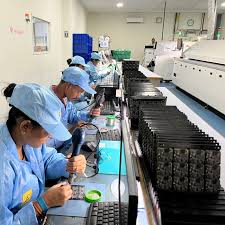
Are pcb manufacturing assembly used in consumer electronics?
Cost-Effectiveness: PCB manufacturing assembly offers cost-effective solutions for mass production, making consumer electronics accessible to a wide range of consumers. Automated assembly processes, such as pick-and-place machines and reflow soldering, streamline production and reduce labor costs, resulting in competitive pricing for electronic devices. Additionally, advancements in PCB fabrication technologies have led to higher yields and lower defect rates, further contributing to cost savings for manufacturers.
Reliability and Durability: Consumer electronics must withstand everyday use and environmental conditions without compromising performance or safety. PCB manufacturing assembly ensures the reliability and durability of electronic devices by utilizing high-quality materials, robust design practices, and stringent quality control measures. Components are securely soldered onto the PCB, minimizing the risk of intermittent connections or component failures, while conformal coatings and encapsulation materials provide protection against moisture, dust, and other contaminants.
Customization and Innovation: PCB manufacturing assembly empowers manufacturers to customize electronic devices to meet specific market demands and technological advancements. Whether it’s adding new features, improving performance, or optimizing power consumption, PCBs offer a flexible platform for innovation and differentiation in the competitive consumer electronics market. Rapid prototyping and iterative design processes enable manufacturers to quickly iterate and refine product designs, keeping pace with changing consumer preferences and emerging trends.
Scalability and Mass Production: PCB manufacturing assembly is scalable to accommodate varying production volumes, from small-scale prototypes to large-scale mass production runs. This scalability enables manufacturers to ramp up production in response to market demand or scale down production for niche or specialized products. Furthermore, the modular nature of PCBs facilitates efficient assembly line setups, reducing lead times and increasing manufacturing throughput.
In conclusion, PCB manufacturing assembly is indispensable in the consumer electronics industry, enabling the creation of compact, functional, and cost-effective electronic devices that enhance our daily lives. From smartphones and smartwatches to smart home appliances and entertainment systems, PCBs serve as the foundation upon which modern consumer electronics are built, driving innovation, connectivity, and convenience for consumers worldwide.
