
 admin
troubleshoot issues in Rigid flex pcb supplier
Troubleshooting issues in the production of rigid-flex printed circuit boards (PCBs) is a complex but essential task that ensures the reliability and functionality of the final product. Rigid-flex PCBs, combining rigid and flexible substrates, are used in critical applications where performance and durability are paramount. Suppliers must adopt a systematic approach to identify, analyze, and resolve issues throughout the manufacturing process. Here are key strategies for troubleshooting common problems in rigid-flex PCB production.
The first step in troubleshooting begins with design verification. Any potential issues in the PCB design need to be identified and rectified before the manufacturing process starts. Using advanced computer-aided design (CAD) software, engineers can simulate electrical and mechanical performance, identifying potential problem areas such as incorrect trace widths, insufficient clearance, or improper layer stacking. Design rule checks (DRC) and electrical rule checks (ERC) help ensure the design meets all specifications and standards. By catching design flaws early, suppliers can prevent costly rework and production delays.
Material quality is crucial for the performance of rigid flex pcb supplier. Inspecting incoming materials for defects or inconsistencies is essential. Suppliers should check the properties of the rigid (usually FR-4) and flexible (typically polyimide) substrates, ensuring they meet the required specifications for thickness, flexibility, and thermal stability. Any deviations can lead to problems such as delamination, cracking, or poor electrical performance. Establishing strong relationships with reliable material vendors and conducting regular audits can help maintain consistent material quality.
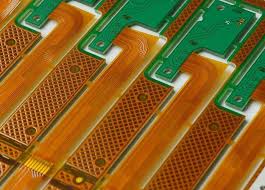
How do you troubleshoot issues in Rigid flex pcb supplier?
The lamination process, which bonds the rigid and flexible layers together, is critical and prone to issues like misalignment, air bubbles, and incomplete bonding. Precise control of temperature, pressure, and timing is necessary to achieve a uniform bond. Suppliers should use advanced lamination equipment with real-time monitoring capabilities to detect and address anomalies during the process. Regular calibration and maintenance of this equipment are essential to ensure consistent performance.
Drilling vias and holes accurately is vital for the functionality of rigid-flex PCBs. Issues such as misalignment, burrs, or non-uniform hole sizes can cause connectivity problems. High-precision CNC drilling machines and laser drills should be used to ensure accuracy. Post-drilling, the plating process must deposit a uniform copper layer inside the vias to form reliable connections. Inconsistent plating can lead to electrical failures. Regular inspection using X-ray equipment can help detect plating issues and ensure the integrity of the connections.
During the imaging and etching process, suppliers must ensure that the photoresist is applied evenly and exposed correctly to create accurate circuit patterns. Any deviation in this process can lead to over-etching or under-etching, resulting in faulty circuits. Automated optical inspection (AOI) systems can identify defects in the etched patterns, allowing for prompt correction. Ensuring clean and controlled processing environments minimizes contamination and defects.
Applying the solder mask and surface finish accurately is crucial to protect the circuit traces and ensure proper solderability. Issues like misalignment, insufficient coverage, or contamination can affect the PCB’s performance. Automated solder mask application and surface finish machines, along with regular inspections, help maintain high quality. Any detected anomalies should be addressed immediately to prevent defects in the final product.
Component placement and soldering are critical stages where precision is key. Misplaced components or poor solder joints can cause functionality issues. Automated pick-and-place machines ensure accurate component placement, while reflow ovens and wave soldering machines provide consistent soldering quality. Post-assembly inspections using AOI and X-ray systems help identify and rectify issues like solder bridges, cold joints, or missing components.
Comprehensive testing is the final step in troubleshooting. Electrical testing verifies that all circuits are functioning correctly, while flex cycling and thermal cycling tests ensure the PCB can withstand mechanical and thermal stresses. Functional testing simulates real-world conditions to verify overall performance. Any failures identified during testing should be analyzed to determine root causes and implement corrective actions.
In conclusion, troubleshooting issues in rigid-flex PCB production requires a thorough and systematic approach. By focusing on design verification, material inspection, precise process control, and comprehensive testing, suppliers can identify and resolve issues efficiently, ensuring the delivery of high-quality, reliable rigid-flex PCBs. Regular maintenance of equipment, continuous improvement of processes, and adherence to industry standards are crucial for maintaining production excellence and customer satisfaction.
