
 admin
adminSMT Assembly
Solder balls are a common Smt assembly defect that can lead to a variety of problems. They can interrupt electrical connections or cause physical damage to sensitive components. They can also detract from the aesthetic quality of electronic products. To prevent these issues, manufacturers must ensure that solder paste is properly dispensed and placed on PCBs. In addition, they must regularly clean and inspect their stencils. This can help prevent the build-up of excess material on the stencil and lead to solder balling.
To avoid solder balling, it is important to keep the stencils and PCBs clean. Cleaning the stencils helps to remove any residue from previous uses and ensure that the solder paste is applied evenly. It is also important to use the right amount of flux and to evaporate it correctly. Lastly, the PCBs must be preheated at the correct temperature.
Another way to prevent solder balling is to ensure that the pads on the smt assembly are correctly aligned and spaced. This can be achieved by using a PCB layout software program to ensure that all the pads are in the correct locations and spaced correctly. It is also important to ensure that the pads have the correct size and shape for their respective components. Pads that are too small can create problems when trying to place components, while pads that are too large can result in solder pooling and shorting.
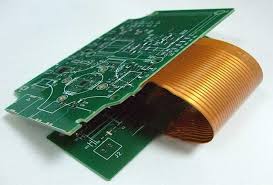
Prevent Solder Balling During SMT Assembly
The use of compatible solder paste is also crucial to preventing solder balling. This is because the type of solder paste used has a direct impact on the quality of the final solder joints on a PCB. Choosing a paste that is compatible with the PCB pad material in terms of oxidation, metal content, and copper distribution minimizes the formation of solder balls.
Stencil design and maintenance are also important for preventing solder balling. The thickness of the stencils must be carefully chosen to ensure that they are compatible with the size and dimensions of the PCB pads. In addition, the opening ratio and shape of the stencils must be well-controlled. Incorrect opening ratios and shapes can lead to uneven paste printing, resulting in solder ball formation.
Other steps that can be taken to prevent solder balling during Smt assembly include ensuring that the component packaging is high-quality and tightly sealed. Regularly cleaning and inspecting pick-and-place nozzles can help prevent contamination and misalignment that can lead to solder balling.
Employee training is also important to preventing solder balling and other SMT defects. Trained employees are more likely to follow standard operating procedures and be aware of potential issues. They are also more likely to know how to quickly and safely resolve them. This can help to reduce the time it takes for a worker to identify and resolve issues and improve overall production efficiency. Finally, the use of nitrogen reflow in the reflow soldering oven can help to prevent oxidation, which can contribute to solder ball formation.
