
 admin
Machines Aid in PCB Assembly
A PCB (printed circuit board) is the base for an electronic device. It is made with a substrate that conducts electricity, usually fiberglass or composite epoxy, and a conducting layer of copper on one or both sides. A PCB can be single- or double-sided and may have a variety of different layers, depending on the design requirements. It is also coated with a tin-lead layer that prevents oxidation and provides electrical insulation.
During the manufacturing process, PCBs are checked by engineers to make sure they meet design rules and can be manufactured. This step is crucial, as it can eliminate errors and inconsistencies in the final product and ensures that all components are properly installed.
The next step is to prepare the PCB for assembly by applying a layer of solder paste. This is applied using stencils, spraying, or rolling. The paste contains a combination of flux and particles that help the component adhere to the surface and holds it in place during the soldering process. It is important to use proper application techniques to avoid wasting solder or causing damage to the surface of the circuit board.
When the solder paste is dry, the assembler can start placing components. This is a very precise task, as even a jiggling component can impact the functioning of a finished product. To reduce the risk of human error during at-scale production, automated machines are used to perform this function.
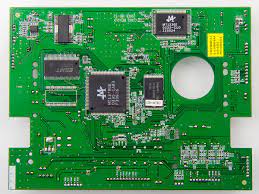
Automated Machines Aid in PCB Assembly
Another way to improve quality and consistency is to apply the circuitry to the PCBA with an automatic machine. This allows the insertion of components and other hardware at a rate of ten or more per second, without the possibility of human error. This can save time and money during the manufacturing process and ensures that all components are correctly placed.
Automated machines also speed up the assembly process, which is essential for high-volume production. Manual assembly can take hours to complete, but a machine can assemble a PCBA in seconds, making it more efficient for mass production. Additionally, automation can help ensure consistent quality throughout the production life cycle, which is important for industries that require a high level of performance and reliability.
Using a fully integrated PCBA manufacturer can streamline the entire design-to-manufacture process. This can eliminate the need for multiple vendors and makes it easier to manage your supply chain. A full-service provider can offer engineering, prototyping, manufacturing, supply chain management, and quality control services to support your business needs.
A pcba circuit board is the foundation for any electronic device, from a small toy to a sophisticated smartphone. The circuitry that transforms a PCB into a functional device is like its “breath of life.” This is why it’s important to choose the right pcba manufacturer for your project. A fully integrated manufacturer, such as CO-AX Technology, can provide all of these services in a single location and can help you get to market faster with your innovative new products.
