
 admin
adminproper heat dissipation in Pc board assembly
Proper heat dissipation is critical in PC board assembly to ensure the reliability and longevity of electronic devices. As electronic components continue to shrink in size and increase in power density, effective thermal management becomes more challenging and essential than ever before. From smartphones to high-performance computing systems, inadequate heat dissipation can lead to overheating, performance degradation, and even premature component failure. In this article, we delve into the strategies and techniques employed to ensure proper heat dissipation in PC board assembly.
One of the primary approaches to managing heat in PC board assembly is through thoughtful design considerations. Engineers meticulously layout components on the PCB, taking into account factors such as component orientation, airflow pathways, and thermal vias. By strategically positioning components and optimizing the PCB layout, designers can facilitate efficient heat transfer and airflow, thereby mitigating thermal issues before they arise.
Another crucial aspect of heat dissipation in pc board assembly is the selection of appropriate materials. Thermally conductive substrates, such as metal-core PCBs or ceramics, help dissipate heat more effectively than traditional FR-4 substrates. Additionally, choosing components with low thermal resistance and high thermal conductivity contributes to improved heat dissipation. Manufacturers often collaborate closely with material suppliers to select the most suitable materials for their specific thermal management requirements.
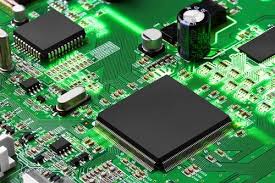
How do you ensure proper heat dissipation in Pc board assembly?
The integration of heat sinks and thermal solutions is a common practice in PC board assembly to enhance heat dissipation. Heat sinks, typically made of aluminum or copper, are attached to high-power components to increase their surface area and facilitate heat transfer to the surrounding environment. Advanced thermal solutions, such as vapor chambers and heat pipes, offer even greater heat dissipation capabilities, enabling efficient thermal management in compact electronic devices.
Thermal interface materials (TIMs) play a crucial role in optimizing heat transfer between electronic components and heat sinks. These materials, such as thermal greases, thermal pads, and phase change materials, fill microscopic gaps and irregularities between mating surfaces, ensuring intimate contact and maximizing heat conduction. Proper selection and application of TIMs are essential to minimize thermal resistance and optimize heat dissipation efficiency.
In addition to design considerations and material selection, manufacturers employ various assembly techniques to enhance heat dissipation in PC board assembly. Surface mount technology (SMT) enables components to be mounted closer to the PCB surface, reducing thermal resistance and promoting more efficient heat transfer. Reflow soldering techniques ensure uniform solder joints, minimizing thermal barriers and improving thermal conductivity between components and the PCB.
Thermal management is an ongoing concern throughout the lifecycle of electronic devices, necessitating proactive measures for monitoring and control. Manufacturers implement thermal sensors and monitoring systems to continuously assess temperature levels and identify potential hotspots. Advanced thermal management algorithms adjust system parameters dynamically to optimize performance while preventing overheating and thermal damage.
Furthermore, proper airflow and ventilation are essential for effective heat dissipation in PC board assembly. Enclosures and chassis are designed with strategic vents and fans to facilitate airflow and dissipate heat generated by internal components. Computational fluid dynamics (CFD) simulations help engineers optimize airflow patterns and cooling strategies to maintain thermal equilibrium and prevent thermal bottlenecks.
In conclusion, ensuring proper heat dissipation in PC board assembly is essential for the reliable operation and longevity of electronic devices. By employing a combination of design considerations, material selection, assembly techniques, and thermal management strategies, manufacturers can mitigate thermal issues and enhance the performance and reliability of electronic systems. As the demand for smaller, more powerful electronic devices continues to grow, effective heat dissipation remains a cornerstone of PC board assembly, driving innovation and pushing the boundaries of thermal engineering.
