
 admin
adminCan ceramic printed circuit boards be used
Ceramic printed circuit boards are used in a wide variety of electronic applications and can be customized to suit the unique requirements of individual customers. They offer superior performance and durability compared to traditional PCBs, and they are highly efficient in transferring electrical signals and heat. They are also lightweight, which makes them easier to transport and store. In addition, they can withstand extreme weather conditions and temperatures. They are available in hermetic packages, which can prevent water absorption.
Using advanced technology, ceramic printed circuit board manufacturers can create multilayer boards with complex circuit layouts. Innovations in layer stacking, via technologies, and precise alignment have enabled designers to optimize space on the board for more intricate layouts and compact configurations. This versatility allows for the fabrication of high-performance electronics that can meet the demanding needs of today’s consumers.
The most popular type of ceramic PCB is a low-temperature co-fired ceramic (LTCC). To make this type, raw ceramic material is combined with glass or metal elements and then mixed with organic binders. The resulting mixture is spread onto sheets to dry and drilled with through-holes following the design layout. Conductive materials like silver or gold conductive pastes are then placed over the surface of each layer to lay trace connections. The board is then baked in an oven at a temperature below 1000 degC to complete the manufacturing process.
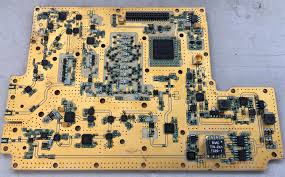
Can ceramic printed circuit boards be used in consumer electronics?
When choosing a ceramic PCB manufacturer, it is important to find one that has a solid reputation and track record of excellence. In addition, it is important to look for a company that offers clear and effective communication throughout the fabrication process. You should also consider the company’s manufacturing lead times and pricing structure. Choose a company that can provide a quality product within your desired timeframe.
Ceramic substrates are made from a variety of materials, including aluminum nitride (AlN), beryllium oxide, and silicon carbide. AlN has the highest thermal conductivity of any ceramic substrate material, allowing for the transmission and dispersal of heat across the entire surface of the board. This property is particularly beneficial in applications where a fast response to changing temperatures is required.
Other benefits of ceramic PCBs include dimensional stability and superior temperature resistance. They are more durable than traditional PCBs and can withstand extreme temperatures and pressure fluctuations without losing their shape or size. In addition, they are able to support higher frequencies than other types of PCBs and are available in hermetic packages for protection against moisture. They are ideal for aerospace and medical applications that require precision and reliability. However, it’s important to note that the materials for ceramic PCBs are more expensive than those for traditional circuit boards. This can add up to a significant cost increase for large volume jobs. Nonetheless, the increased performance and capabilities offered by ceramic circuit boards are well worth the investment.
