
 admin
adminflex circuits be used in automotive applications
A flex circuit is a type of printed circuit board (PCB) that is designed to bend and flex. It can be used in many different applications where it is essential that electrical connections withstand a significant amount of bending. Unlike traditional rigid PCBs, flex circuits can be bent to fit the contours of an assembly without cracking or breaking. This flexibility can greatly reduce the need for complex and expensive connectors and hand wiring, which in turn cuts assembly costs and production time.
One of the most popular uses for flex circuits is in flexible displays and e-paper displays. The inherent flex of these circuits allows them to be rolled or curved into products like smartphones and tablets while still functioning. This functionality opens up the design possibilities for foldable cell phones, dynamic digital signage and more.
Another common use of flex circuits is to replace wire harnesses in automotive and aerospace engineering projects. These are large-scale projects that often feature tight and repetitive bending, as well as harsh operating environments. Flex circuits are lighter and more compact than the ribbon connectors that previously were used in these industries to link separate components. The flexibility and durability of a flex circuit also cuts assembly time and maintenance costs.
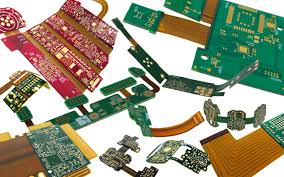
Can flex circuits be used in automotive applications?
Other applications of flex circuits include medical devices like flexible sensors and implantable health monitors, where they can be used to connect to the body and withstand the rigours of movement and bending. They are also commonly used in robotics to connect the various actuators and controls that power robot arms, grippers and humanoid structures that mimic natural movement.
The core of a flex circuit is made from a thin substrate layer that is usually a polymer such as polyimide. Conductive material traces are then etched into the film in layers, and the layers are separated by print insulating layers. A coverlay is then applied to protect the circuit from dirt, moisture and other contaminants.
There are several types of flex circuit constructions. For example, a polymer thick film (PTF) flex circuit prints the circuit elements directly onto a polymer film. This type of flex circuit is ideal for low-power, lower-voltage applications and can be customised to the exact needs of a project. Alternatively, a hybrid flex circuit has a stiffener woven into the circuit to provide structural support and improve abrasion resistance.
Flex circuits can be interfaced with rigid boards using a variety of connectors that are compatible with flex PCBs, or they can be integrated into the board itself, eliminating the need for external connectors altogether. This makes them ideal for connecting the various sensors and controls found in a vehicle.
As a result of their flexibility and ability to withstand extreme temperature changes, flex circuits are becoming more popular in the automotive industry. They are used in infotainment systems to integrate LED screens and other electronics into vehicles, as well as to route electrical signals between components such as the engine control unit and the dashboard or lighting components. They are also an important component of advanced driver assistance systems (ADAS) and other technologies that have a lot of potential for growth in the automotive market.
