
 admin
adminSMT components attached in circuit board assembly
A jiggling component or a finicky loose screw can have a significant impact on the functionality of a circuit board, so it’s important that they’re securely fastened. In most modern PCBs, surface mount technology (SMT) components are attached via a soldering process. Soldering fuses metal alloys at high temperatures to bind and seal components to the copper PCB traces. This enables designers to maximize the number of components they can fit on a printed circuit board, while ensuring a strong and reliable connection between them.
The first step in circuit board assembly is applying the solder paste to the designated pads on each side of the bare PCB. This is a mix of metallic solder particles and a special flux that cleans the surfaces of the pads to eliminate impurities and oxidation. Once the paste is applied, the assembler can begin putting SMT components on the boards. SMT components are much smaller than through-hole technology leads, enabling greater packing density in a limited space on the PCB.
While there’s a time and place for a human touch, SMT assembly is typically done by automated machines called pick and place machines. These machines use mechanical or even vacuum-based movements to pick up each component from a feeder, then move them to the precise location on the circuit board specified by its design files. This is far more efficient than the manual process used to be, especially when working with small, delicate components.
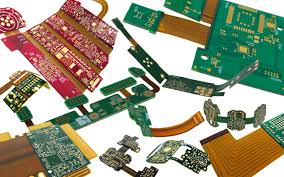
How are SMT components attached in circuit board assembly?
After all the SMT components are in their correct places, the assembler can proceed with soldering. Depending on the design, this may involve wave or reflow soldering techniques. Wave soldering involves passing the bare board over a molten wave of solder, which makes contact with the exposed leads on each component and bonds them to the copper PCB traces. Alternatively, the assembler can pass the bare board through a heated oven known as a reflow oven, which melts the solder paste and affixes the components to the traces.
Once all the components are properly positioned, the assembler can conduct final quality assurance testing and inspection on the finished product. Typical inspection techniques include Automated Optical Inspection (AOI) and in-circuit and functional testing. These tests can verify things like the presence of conductive connections, and can detect anomalies such as incorrect placement or solder bridging.
Circuit board assembly is a critical process in the production of electronic devices, encompassing everything from component placement to final testing and packaging. It requires precision, advanced machinery, and careful quality control to ensure that the assembled board functions as intended. As technology advances, the methods of circuit board assembly continue to evolve, leading to more efficient and reliable manufacturing processes. Whether in consumer electronics, medical devices, automotive systems, or industrial applications, circuit board assembly is fundamental to the functioning of modern electronic products.
After a fabricated circuit board has passed all inspections and quality assurance testing, it can be ready for production. Before sending the board off for sale, the assembler will add its labeling and packaging. Then, the fab house can ship it out to its clients and start making money!
